
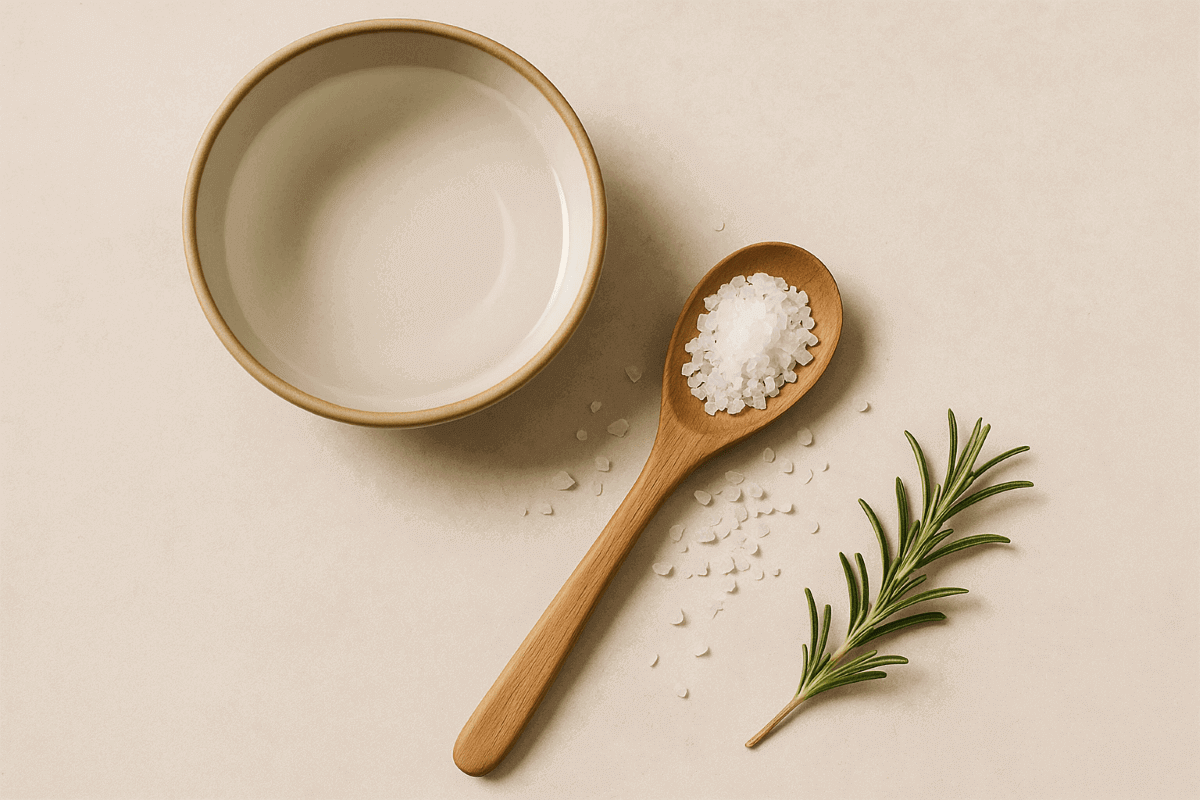
Salt teaches us the importance of balance — not too little, not too much.
Salt is everywhere — in our oceans, our cells, our blood, our sweat, our tears. It is one of the oldest minerals on Earth and one of the most important elements in human life.
Civilizations rose and fell because of the importance of salt.
Wars were fought for it.
People offered it as a sacred tribute.
And to this day, salt remains a symbol of purity, strength, truth, and covenant.
Even our language remembers this power:
“Salt of the earth.”
“Worth your salt.”
“The cure for anything is salt: sweat, tears, or the sea.”
Salt is more than a seasoning.
It is a story of the body, the spirit, and the universe itself.
What Is Salt, Really?
Salt, chemically known as sodium chloride (NaCl), is a mineral essential to life.
In the human body, sodium helps our cells function properly, nerves fire, and muscles contract. Without it, we cannot survive.
Salt is central to three key elements of life:
1. The Universe
Salt forms when oceans evaporate under the sun and wind – a meeting of water, earth, air, and fire. In ancient cosmology, salt represents preservation, purification, and endurance.
In countries such as Egypt, Greece, China, and the Philippines, salt is used in rituals to protect homes, cleanse spaces, and honor their gods.
2. The Body
Salt controls hydration, fluid balance, nerve signals, muscle function, and blood pressure. Even our blood has a salinity similar to that of seawater – a reminder of our ancient origins as creatures of the ocean.
3. The Spirit
Salt appears in spiritual traditions worldwide:
- Buddhist temples sprinkle salt at their doorways for purification.
- Catholics use holy water with salt for blessing and protection.
- Filipino households put salt in pockets or doorways for cleansing and grounding.
- Shinto shrines in Japan offer salt to welcome good spirits.
Salt clears, grounds, and centers — physically and energetically.
The Science-Backed Benefits of Salt
Salt is essential — not optional.
Used wisely, it heals, nourishes, and supports the mind and body.
1. Supports Hydration & Fluid Balance
Salt helps your cells absorb water and maintain proper hydration. Electrolytes, such as sodium, potassium, and magnesium, work together to regulate temperature, blood pressure, and overall balance.
2. Strengthens Nerve & Muscle Function
Every heartbeat, every muscle contraction, every nerve signal relies on sodium. Without enough salt, you may experience dizziness, fatigue, muscle cramps, or mental fog.
3. Aids Digestion
Your stomach uses chloride (from salt) to produce hydrochloric acid — essential for proper digestion and nutrient absorption.
4. Protects Against Dehydration
Athletes, breastfeeding mothers, and individuals who sweat heavily lose sodium quickly. Replenishing salt prevents headaches, weakness, and electrolyte imbalance.
5. Supports Mental Clarity
Low sodium levels can affect focus, concentration, and mood. Balanced salt intake helps maintain stable nerve communication in the brain.
6. Anti-Microbial & Purifying
Salt has natural antibacterial and antifungal properties. It’s used in: – wound cleansing – oral rinses – food preservation – space cleansing and grounding rituals
The Mystical Side of Salt
Salt carries energy.
It absorbs, neutralizes, and releases.
Across cultures, people believe salt can:
- cleanse negative energy
- protect the home
- charge crystals
- promote emotional balance
- ground anxiety
- release spiritual heaviness
This belief aligns with observations: salt interacts with moisture, electromagnetic energy, and even air ions, subtly influencing physical and energetic environments.
Salt is where science and spirit meet.
The Negative Side of Salt (When Misused)
Salt is powerful, but too much or too little can cause imbalance.
Too Much Salt
Excess sodium may lead to:
- water retention
- high blood pressure
- kidney strain
- bloating
The main source is not from table salt, but from processed foods such as chips, canned goods, fast food, and instant noodles.
Too Little Salt
Avoiding it is equally harmful:
- dizziness
- electrolyte imbalance
- confusion
- muscle cramps
- hyponatremia (dangerously low sodium)
Salt must be balanced, not avoided.
Who Should Limit Salt?
- People with uncontrolled high blood pressure
- Those with kidney disease
- Individuals on sodium-restricted diets
- People who rarely sweat or exercise
But even then, reducing sodium must be guided, not extreme.
Best Practices for Using Salt
Choose Better Salts
Not all salts are equal. Mineral-rich salts support the body better:
- Sea Salt – cleaner taste, naturally occurring minerals
- Himalayan Pink Salt – contains potassium, magnesium, and iron
- Celtic Salt – moist, grayish, high in trace minerals
How to Use Salt Wisely
- Cook with just enough — taste as you go.
- Opt to use a salt shaker instead of adding too much into dishes when cooking.
- Use salt in rituals such as foot baths, cleansing bowls, and room purification.
- Add a pinch to lemon water after exercise.
- Use salt scrubs to improve circulation and detoxification.
When to Use Salt
Morning: electrolyte water
Evening: warm salt baths
In cleansing phases: salt smudging or corner bowl
After heavy sweating: salt replenishment
Raw or Cooked?
- Using salt in cooking softens its edge, but it reduces the iodine content in iodized salt.
- Raw finishing salts add minerals and crunch without heaviness.
Ways to Use Salt for Mind, Body & Spirit
To nourish the Body
- Add sea salt to soups and home-cooked meals.
- Create a mineral-rich electrolyte drink.
- Use a saline rinse for sinus or throat discomfort.
Mind wellness
- Salt baths relax nerves and reduce anxiety.
- Although debated, salt lamps are said to create a calming glow.
For the Spirit
- Place a bowl of salt in the corners of the home for cleansing.
- Use salt in meditation or grounding rituals.
- Scatter a pinch outside the door for fresh energy.
Salt reminds us to clear what is heavy and return to what is essential.
Love.Eat.Live Tip
Salt teaches us balance. Too little, and life becomes dull and weak. Too much, and it overwhelms everything.
Just like truth, joy, grief, or love —
Salt must be used with awareness, intention, and care.
Let salt remind you that healing sometimes comes through tears, sweat, or the sea —
All of them lead back to yourself. 💛
Bottom Line
Salt is not the enemy. Salt is a teacher of boundaries, balance, healing, and truth. It nourishes your cells, elevates your food, purifies your spirit, and connects you to ancient wisdom.
Respect it, use it wisely, and let its simplicity guide you back to your own inner clarity.
Related: Turmeric: A Golden Root with a Glorious Past
References:
- National Institutes of Health (NIH), Office of Dietary Supplements – Sodium: Fact Sheet for Health Professionals.
- Centers for Disease Control and Prevention (CDC) – Sodium and Health.
- World Health Organization (WHO) – Salt Reduction: Key Facts.
- Harvard T.H. Chan School of Public Health – The Nutrition Source: Salt and Sodium.
- Journal of the International Society of Sports Nutrition – Exercise-Associated Hyponatremia: Updated Guidelines and Insights.
- Medical News Today – Chloride: What to Know.
- American Heart Association (AHA) – How Salt Affects Your Body.
- New England Journal of Medicine (NEJM) – Global Sodium Intake and Cardiovascular Disease. (Peer-reviewed study on sodium intake.)
- Mayo Clinic – Hyponatremia: Symptoms and Causes.
- Journal of Food Protection – Antimicrobial Effects of Salt in Food Preservation.
- International Journal of Molecular Sciences – Salt and Its Antibacterial/Fungal Properties.
- Encyclopedia Britannica – Salt: History and Significance.
- Oxford Research Encyclopedias, Religion – Entries on salt in ritual practice and symbolism.
- Smithsonian Magazine – Articles and anthropological analyses on global salt traditions.
- Kurlansky, Mark. Salt: A World History.
- Journal of Anthropological Research – Salt Use in Ritual Purification Across Cultures.
- Frontiers in Human Neuroscience – Air Ions, Human Mood, and Environmental Effects.
- Environmental Health Perspectives – Studies on ionized environments and atmospheric quality.
- USDA FoodData Central – Nutritional and mineral content of table salt, sea salt, and specialty salts.
- Journal of Food Composition and Analysis – Trace Minerals in Gourmet and Natural Salts.
- Journal of Human Hypertension – Sodium Intake and Blood Pressure Across Populations.
- The Lancet – Global Burden of Disease: Sodium and Cardiovascular Risk.

Pingback: A complete guide to garlic benefits, risks Ingredient Spotlight: Garlic - Love.Eat.Live.
Pingback: Bone Broth: The Nourishing Power of Slow Simmered Goodness - Love.Eat.Live.